Promotion gifts can mark a new role with something useful for the workday or a personal touch for a desk.
These nine ideas range from small organizational accessories to larger workspace upgrades, with options for different interests and budgets.
9 Promotion Gift Ideas for Colleagues and New Managers
Cross Classic Century 23KT Gold Plated Ballpoint Pen

- Slim metal body with a distinctive look and a precision swivel-action mechanism.
- Refillable for continued personal use.
- Arrives in a premium gift box.
Best Gift For: A colleague celebrating a promotion who enjoys keeping a pen handy for notes and everyday writing.

Clever Fox Planner PRO Light, Undated Weekly Planner

- Undated format lets the recipient begin when it suits them.
- Includes a step-by-step illustrated user guide and colorful planning stickers.
- Helps map goals into monthly, weekly, and daily planning.
Best Gift For: A newly promoted colleague who likes organizing goals and a changing schedule on paper.
Smartish Magnetic Cord Holder, Bigger Cable Wrangler
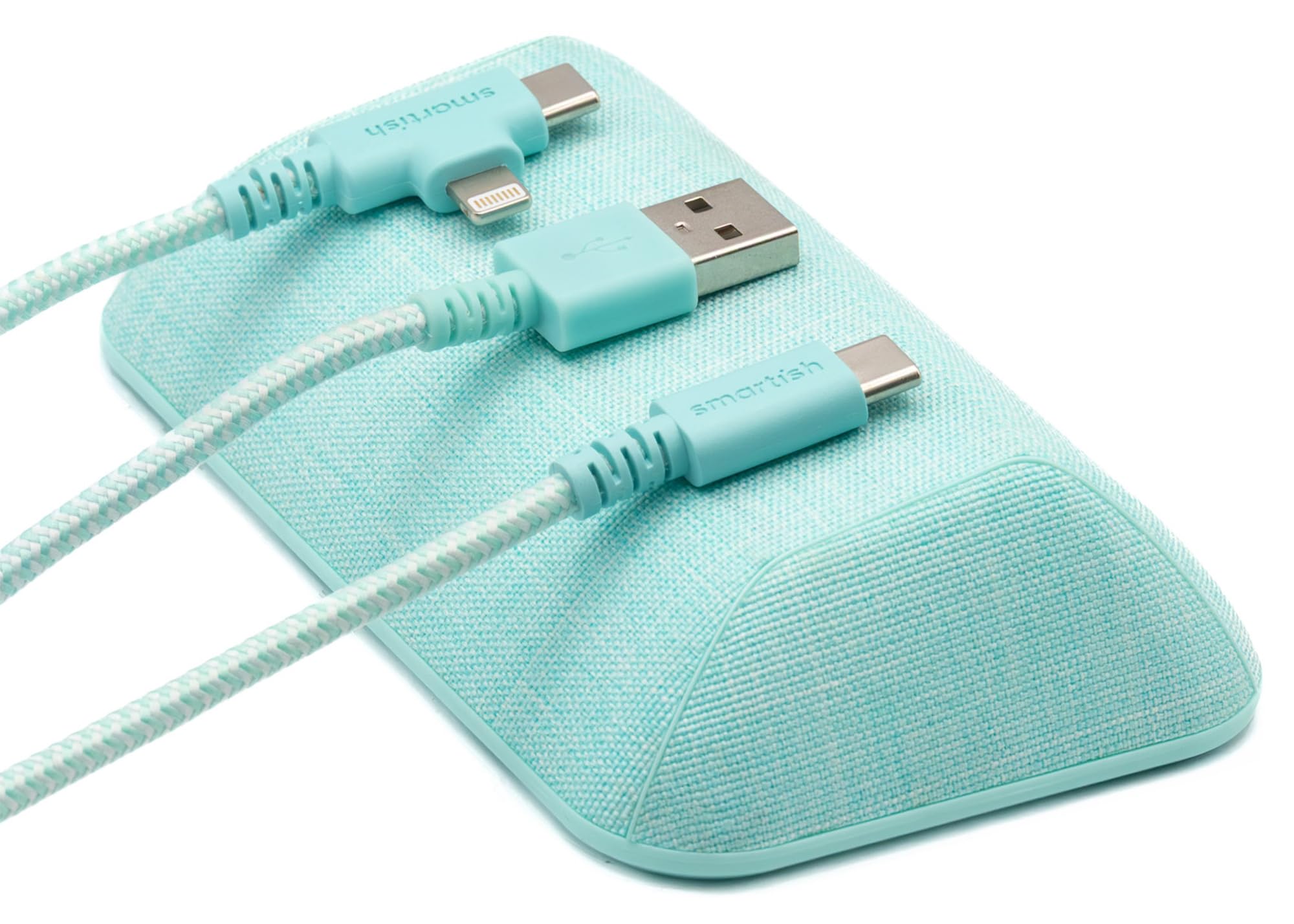
- Keeps up to 8 cables parked and visible.
- Uses a weighted core and non-slip rubber base to stay planted.
- Includes 4 magnetic silicone cable collars for non-magnetic cables.
Best Gift For: A colleague who wants charging cables close at hand on a desk or nightstand.
Nulaxy Pull-Out Height Adjustable Laptop Stand
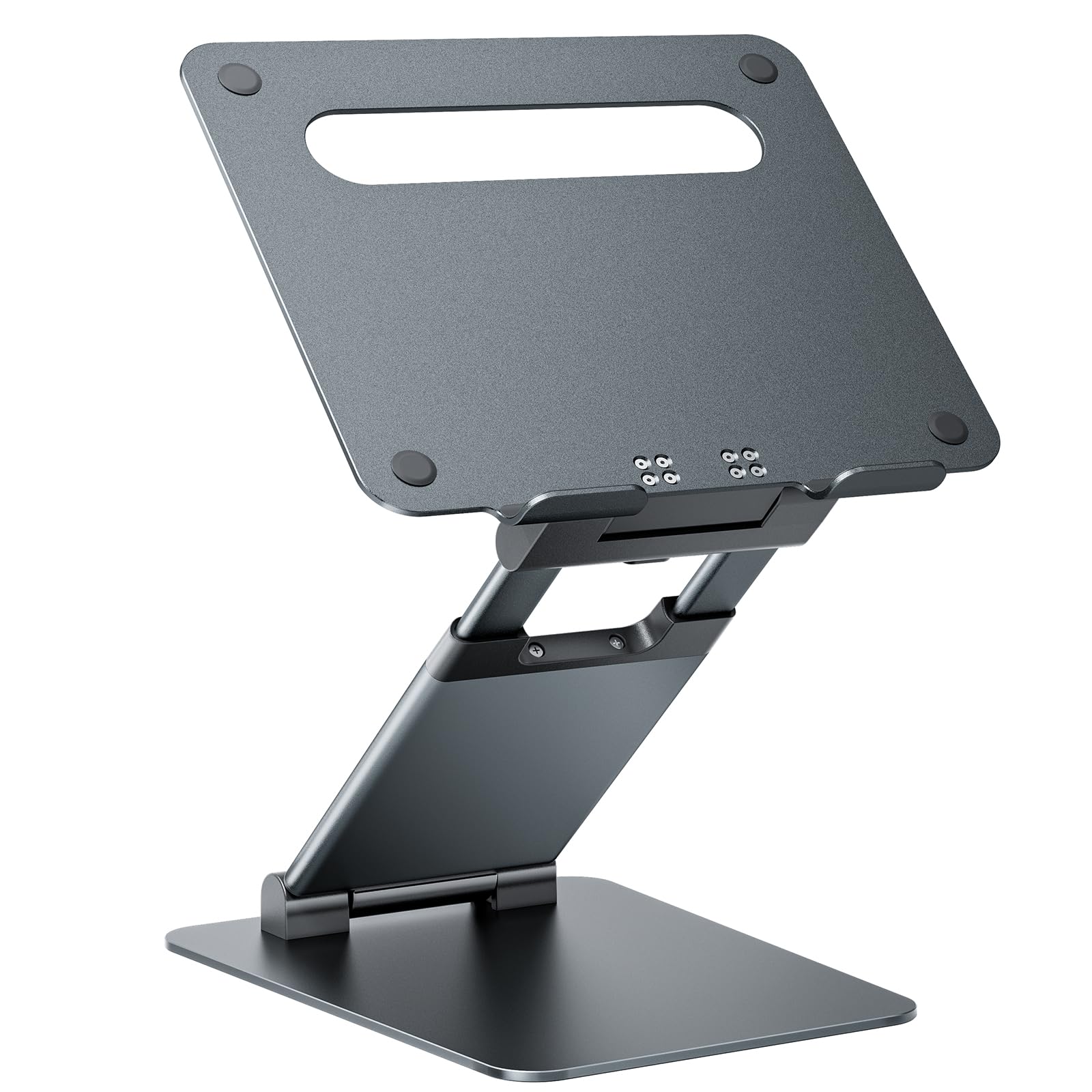
- Adjustable height and tilt allow the laptop to be angled for visual comfort.
- Foldable design is compact when stored.
- Aluminum panel with a ventilation hole helps with heat dissipation.
Best Gift For: A colleague setting up a laptop workspace for seated or standing work.
10X Rectangle Magnifying Lamp with Light
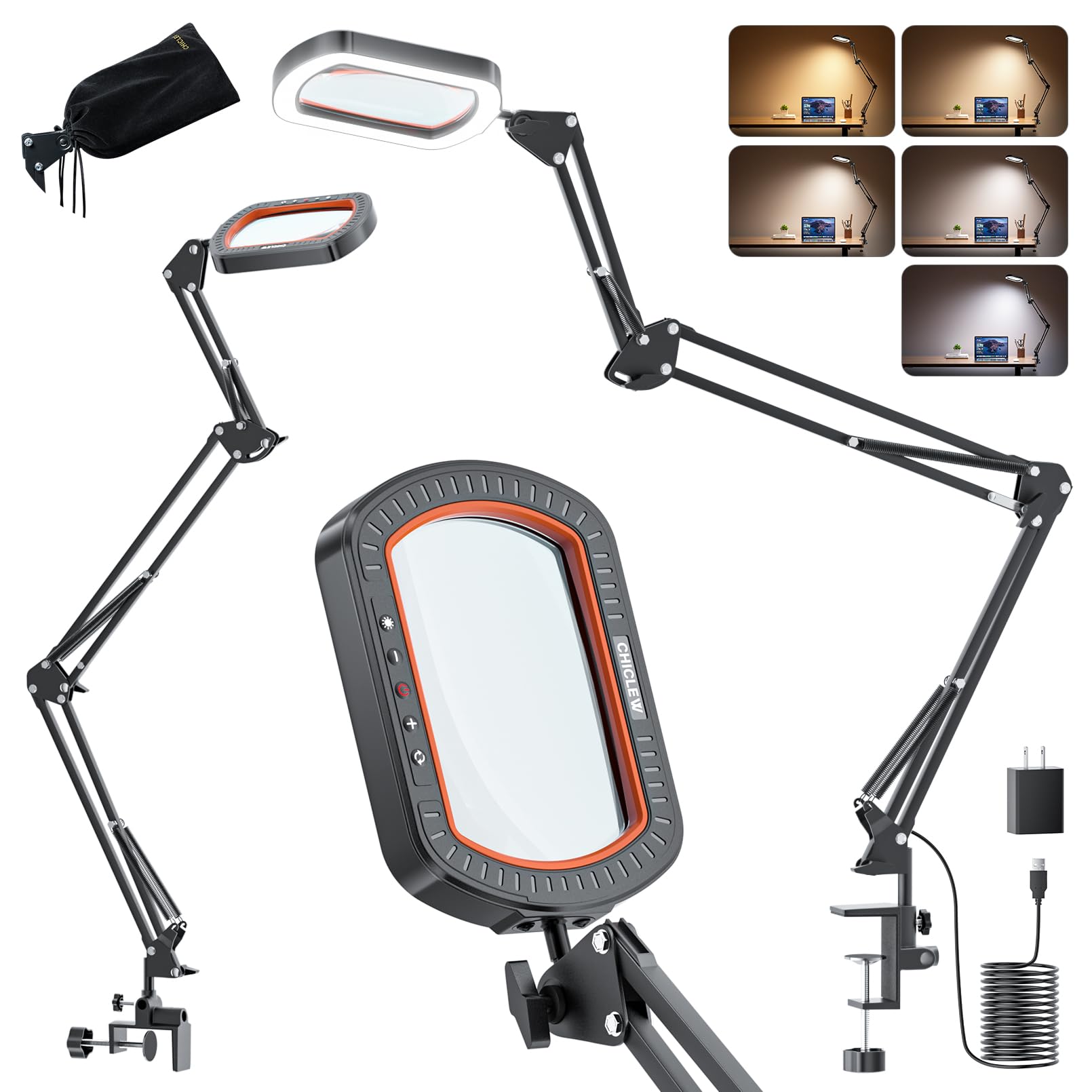
- Rectangular magnifier provides a broader viewing area for detailed tasks.
- Offers 5 color modes and smooth brightness control.
- Extendable arm supports flexible positioning.
Best Gift For: A colleague who would appreciate clearer, hands-free lighting for reading small print.
SteelSeries QcK XXL Cloth Gaming Mouse Pad
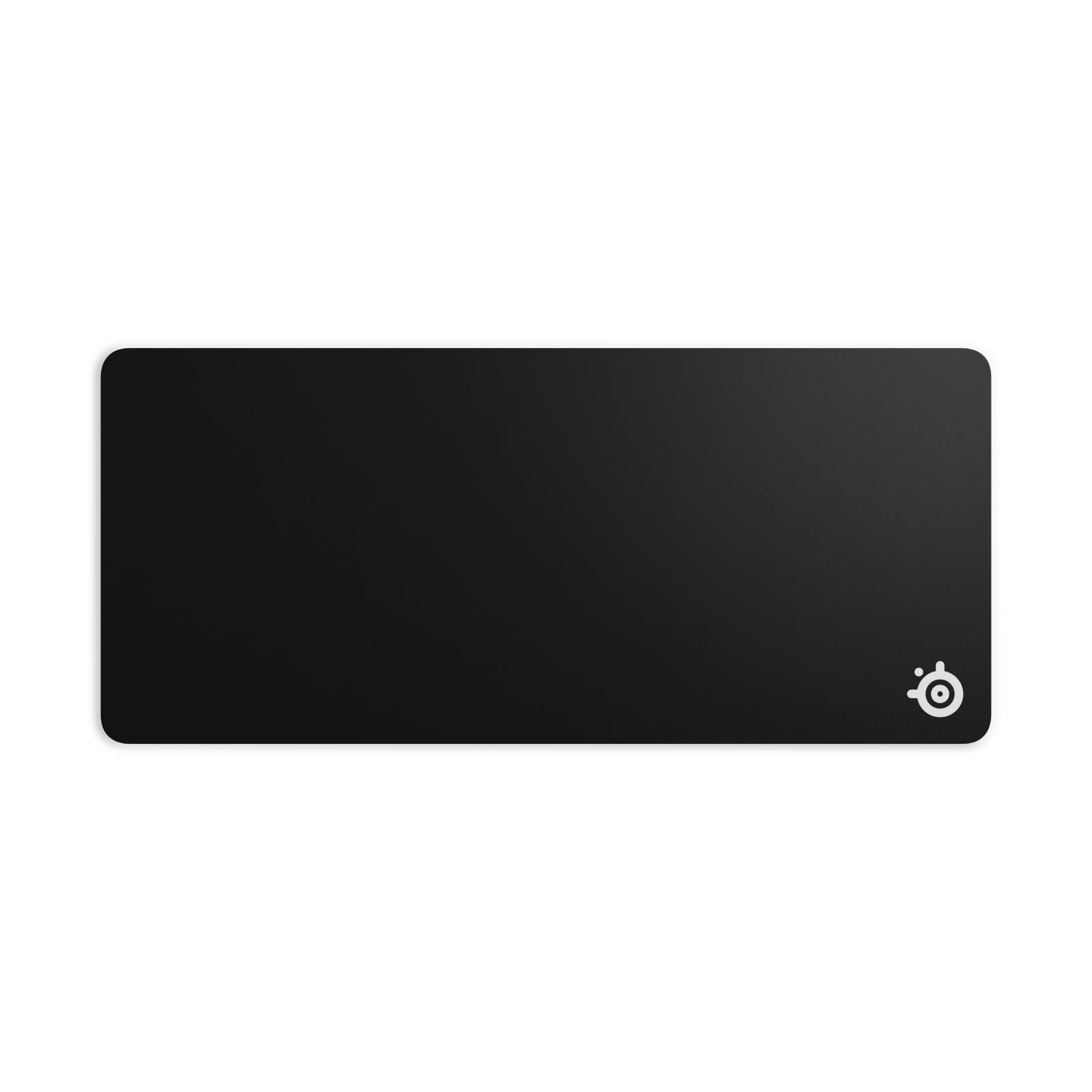
- XXL coverage fits a keyboard, mouse, and monitor on one surface.
- Micro-woven cloth is designed for durability.
- Non-slip rubber base is designed to limit unwanted movement.
Best Gift For: A gaming enthusiast marking a promotion with a larger desktop play surface.
SHOKZ OpenRun Pro Open-Ear Bone Conduction Headphones
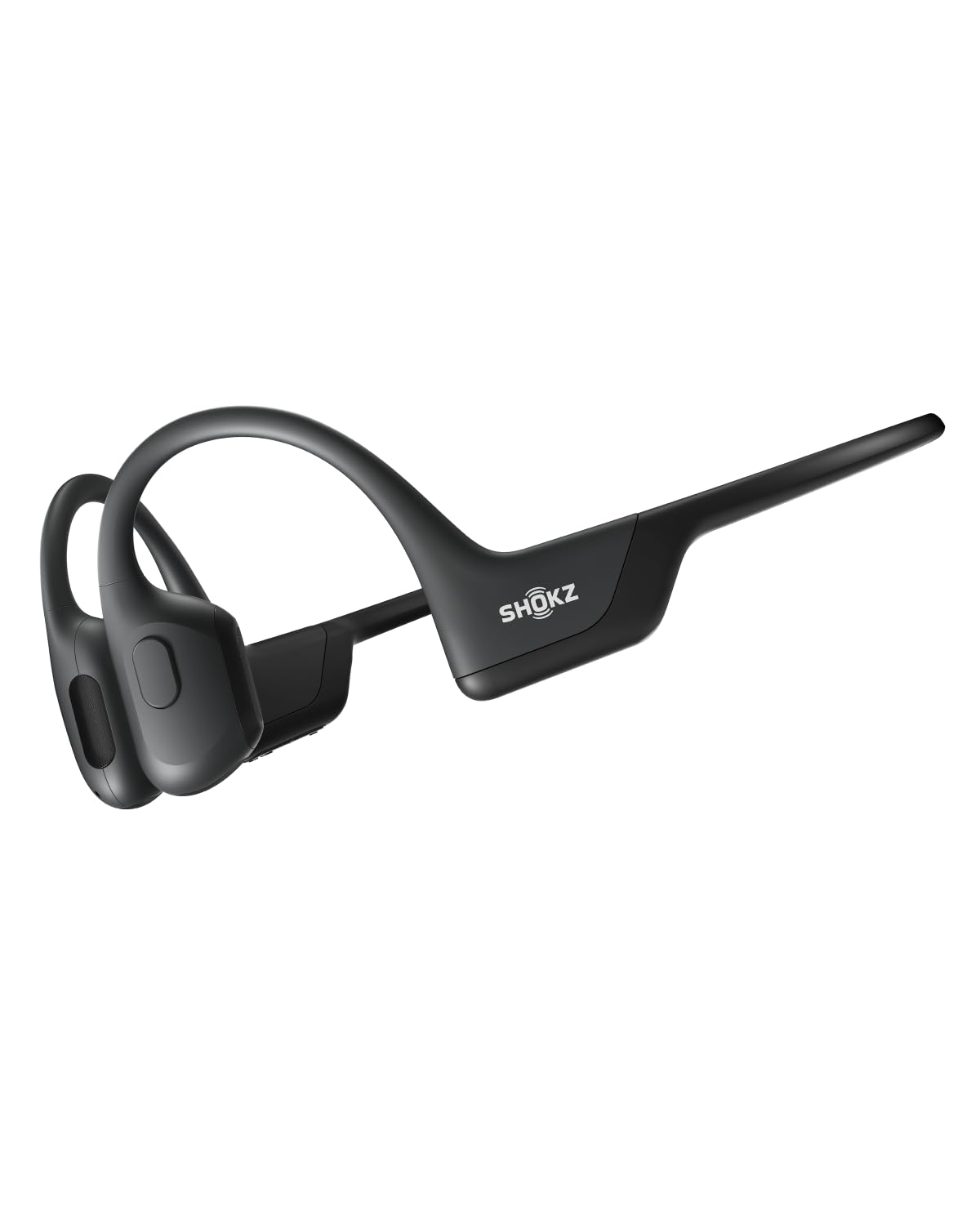
- Bud-free design avoids in-ear headphones.
- Bluetooth headphones support music, calls, and podcasts for ten continuous hours.
- Includes a Shokz headband.
Best Gift For: A colleague who listens to audio during runs or workouts and prefers an open-ear design.
FLEXISPOT EN2 55''x28'' Standing Desk Bundle with Monitor Mount
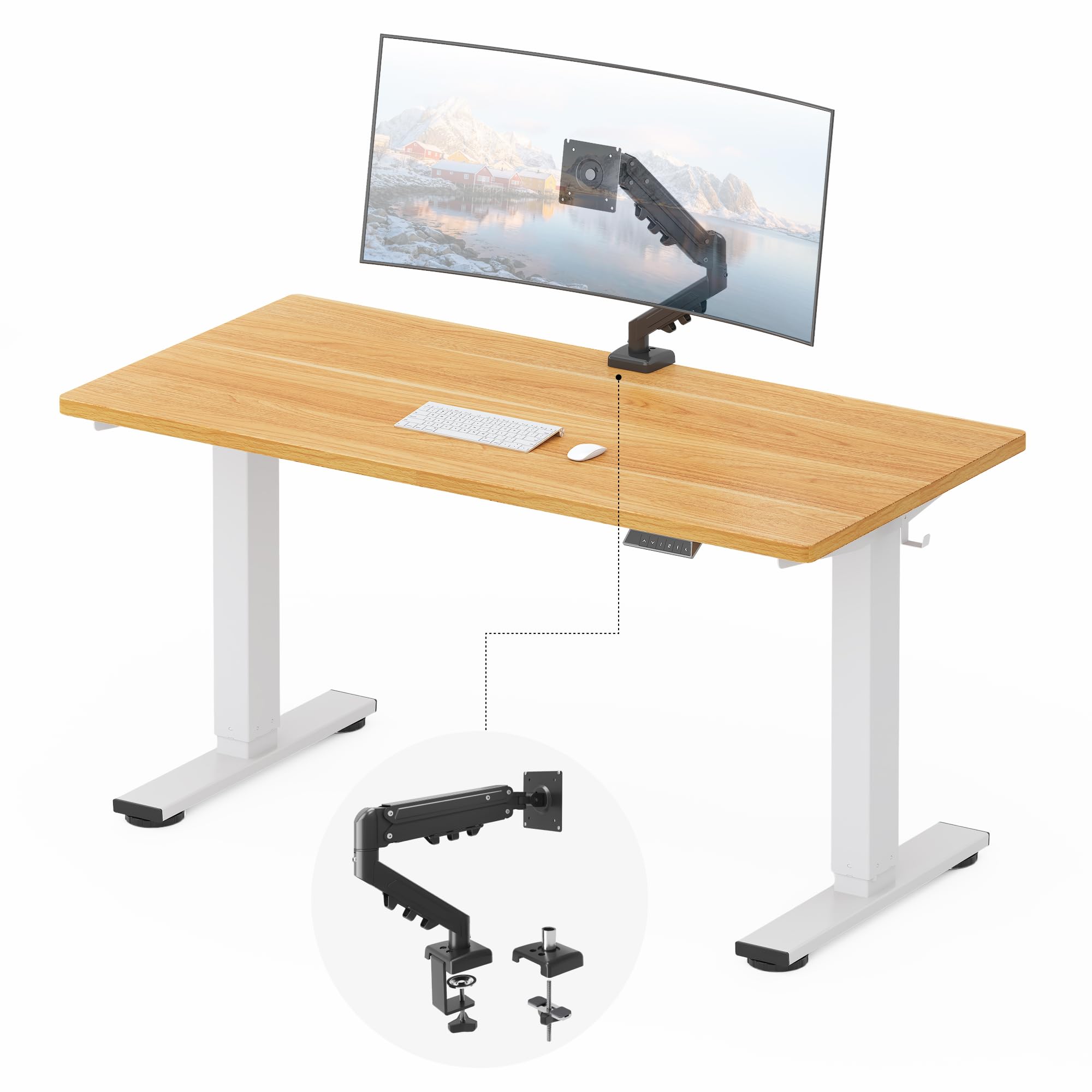
- Bundle combines an electric standing desk and gas spring monitor arm.
- Desk height adjusts from 28.1″–45.7″ with 4 memory presets.
- Monitor arm supports curved and flat monitors up to 32" / 19.8 lbs.
Best Gift For: A colleague preparing a home office refresh with a standing desk and monitor arm.
SteelSeries Arctis Nova 7P Wireless Gaming Headset
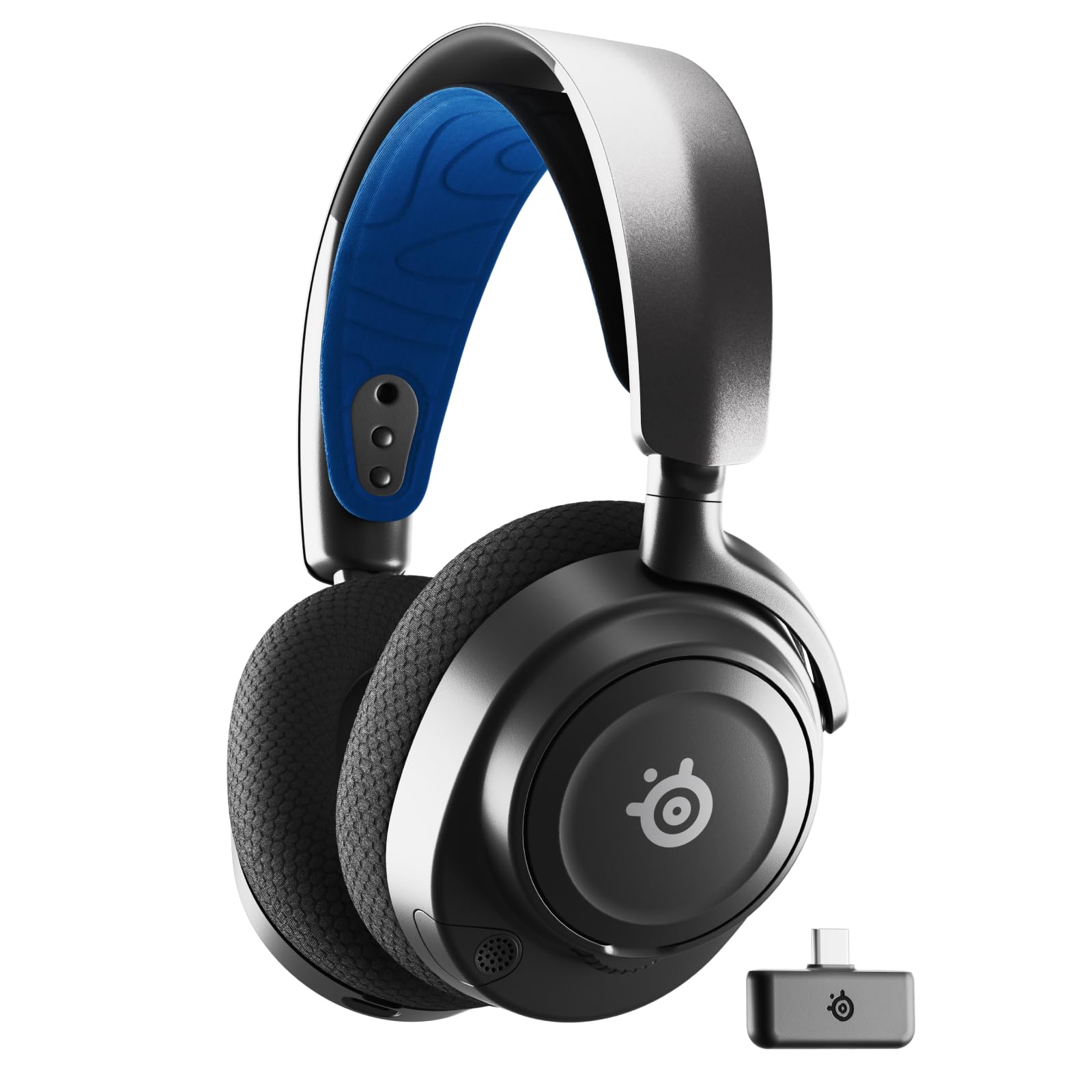
- Wireless connections include a USB-C dongle for PC, PlayStation, Switch, or tablet, plus Bluetooth.
- Can mix calls or music with game audio at home.
- Retractable mic can be tucked away for a commute.
Best Gift For: A colleague who enjoys gaming across compatible devices and also takes calls on a headset.
1. Match promotion gifts to the new routine
Promotion gifts feel most thoughtful when they connect to what the recipient’s days may look like now. A colleague moving into management might value an easy way to plan projects, while someone working from home may appreciate a more comfortable or orderly desk.
Consider the person’s actual habits before choosing a polished object simply because it looks formal.
If the promotion involves more meetings, travel between offices, or a shift to hybrid work, think about what they carry or use repeatedly. A practical item can mark the milestone without turning the gift into an assignment or implying that they need to work longer hours.
Keep the gesture aligned with the relationship and the workplace culture.
For a team gift, ask a close colleague what would feel welcome and whether the recipient has already mentioned a workspace need. For an individual present, a short note recognizing the effort behind the promotion can make even a modest choice feel personal.
The message should celebrate their achievement, not prescribe how to approach the new role.
2. Balance the budget with the gesture
Start with the occasion and your relationship to the recipient, then choose a comfortable spending level. A small desk accessory can work well as a personal congratulations, while a larger workspace item may make more sense as a shared team present.
A gift does not need to match the title of the new role to feel considered.
When several coworkers are contributing, agree on a budget early and keep participation voluntary. A shared gift can open up options that would feel excessive from one person, but a handwritten card or a modest useful item is also appropriate.
Avoid making the recipient feel obliged to reciprocate or publicly perform gratitude.
Before buying, check current prices and confirm the item fits the recipient’s setup. For workspace equipment, dimensions and compatibility matter; for a planner or accessory, consider whether they already own something similar.
These checks help keep the gift useful and help your budget go toward something they can actually use.
3. Personalize the presentation
Promotion gifts become more memorable when the presentation reflects the person rather than the job title. Add a concise note naming a quality you admire, such as their patience with teammates or steady work on a challenging project.
Keep praise sincere and specific; a few lines are enough to make the occasion feel marked.
Think about how the gift will be received. A private handoff may suit someone who dislikes attention, while a team card can be a warm group gesture if public recognition is normal in the workplace.
For a practical desk item, simple wrapping and a note about why it reminded you of them can add context without overexplaining.
If you are coordinating with others, give contributors a chance to add a short message and present the card with the gift. Avoid messages that frame the promotion as a reason to take on extra tasks.
The best presentation celebrates the person’s effort and gives them room to enjoy the milestone in their own way.
4. Choose for the setting and interests
A gift tied to the recipient’s real interests can feel more personal than an office-themed default. A gamer may enjoy a desk upgrade related to that hobby, while someone who listens to audio on runs may appreciate a choice suited to their routine.
Pay attention to clues they have volunteered rather than guessing from a job title or age.
For a shared office, consider whether the recipient has room to keep the item at work and whether it suits a common area. For a home setup, make sure a larger gift is practical to receive and assemble.
When the fit is uncertain, a compact everyday accessory or a flexible planner can carry less risk than a major furnishing.
Some gifts also invite follow-up conversation: ask how the first weeks in the new position are going, or offer to celebrate over coffee. That personal attention matters more than choosing a product that appears impressive.
Keep the focus on recognizing the transition and supporting the recipient’s own preferences.
5. Leave room for last-minute checks
If the promotion celebration is soon, choose a gift that is easy to wrap and hand over, then verify the current delivery estimate before ordering. Shipping timing can change, so do not promise an arrival date until you have checked it.
A card delivered on time with a later-arriving gift can still make the day feel special.
For larger workspace products, confirm dimensions, compatibility, assembly needs, and whether the recipient has space before committing. For electronic accessories, check that they work with devices the recipient uses.
These details matter more than a rushed guess, especially when a gift would be difficult to return or store.
When time is very short, a thoughtful note paired with a small, readily available item can be enough. You might also arrange a later team lunch or give a card explaining the shared gift to come.
Keep the wording clear and warm, and let the recipient decide how much attention they want around the promotion.